
Blog

Corneal Collagen Crosslinking – Informational Video

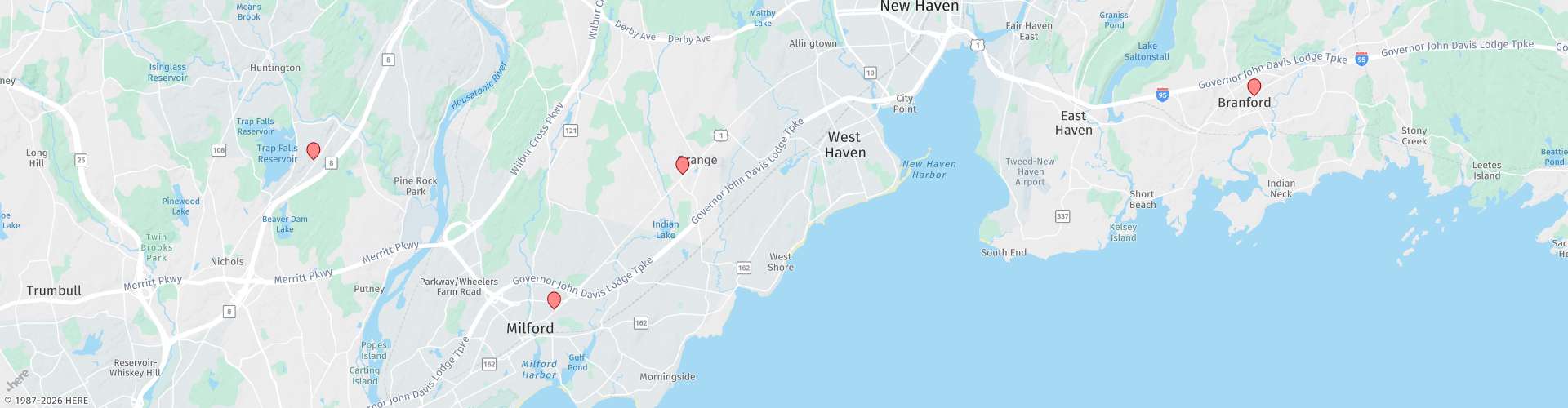
Blog posted by Dr. Seth Meskin, a board certified ophthalmologist and fellowship trained corneal specialist. For more information on keratoconus or crosslinking, or any of the services we offer, please contact us (203) 878-1236 at any of our 4 offices in Milford, Orange, Branford, or Shelton. We’re looking forward to hearing from you soon.

Corneal Collagen Crosslinking – Informational Video Read More »
How Scleral Contact Lenses Changed My Life – Patient Testimonials

I was diagnosed with keratoconus later in life. Originally my ophthalmologist prescribed gas permeated contact lenses that, given the size of my hands and fingers were impossible to insert properly. In a short time, I became frustrated and simply stopped trying. I lived with this condition for several years until it became unmanageable. I went

How Scleral Contact Lenses Changed My Life – Patient Testimonials Read More »

Microinvasive Glaucoma Surgery (MIGS)→ A New Frontier in Glaucoma

Glaucoma is the leading cause of irreversible blindness worldwide and affects more than 3 million Americans. Initial glaucoma treatment consists of eye drops to the lower intraocular pressure (IOP) or a laser procedure called Selective Laser Trabeculoplasty (SLT). Unfortunately, in many glaucoma patients, these therapies are not enough.  Traditionally, glaucoma surgeons then proceed to a

Microinvasive Glaucoma Surgery (MIGS)→ A New Frontier in Glaucoma Read More »

DIABETIC RETINOPATHY

One in ten people in the US currently has diabetes and the incidence is growing such that the CDC projects that as many as one in three people in the US may have diabetes in 2050!  As such, the prevalence of Diabetic eye disease is likely to increase.  Diabetes can impact the eye by increasing

DIABETIC RETINOPATHY Read More »

A Less Myopic View of Myopia — Increasing Incidence of Myopia in our Children

A Less Myopic View of Myopia Myopia (or near-sightedness) is a condition that is very common and its incidence is on the rise, world-wide.  In fact, it is a silent epidemic that few people are talking about. The health risks are underappreciated. Fifty years ago about 25% of young adults in the United States were

A Less Myopic View of Myopia — Increasing Incidence of Myopia in our Children Read More »

Accessibility Toolbar

Scroll to Top